

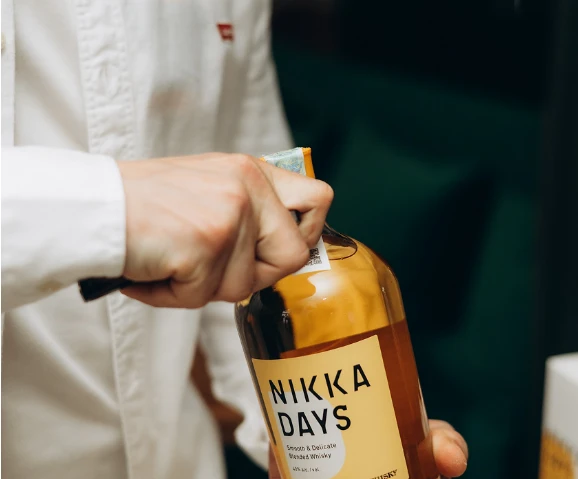
Wine service is about more than selecting bottles for a menu. In hotels, resorts, restaurants, and beach clubs, the way staff explain a wine, recommend a pairing, and respond to a guest’s preferences can shape the overall dining experience. Yet wine knowledge is often uneven across hospitality teams, particularly in businesses where employees manage several responsibilities at once.
Structured wine education can help address this gap. By developing practical knowledge and communication skills, hospitality businesses can make wine service more consistent, approachable, and relevant to their guests.
Why Wine Knowledge Matters in Hospitality
Guests do not necessarily expect every waiter or bartender to be a qualified sommelier. They do, however, appreciate recommendations that are clear, thoughtful, and appropriate to their tastes and budget.
A staff member who understands the difference between a crisp Sauvignon Blanc and a fuller-bodied Chardonnay can offer a more useful suggestion than someone who relies exclusively on familiar labels. Knowledge of basic food pairing can also help employees explain why a particular wine works with a seafood dish, grilled vegetables, or a rich sauce.
This is especially relevant in resorts and destination restaurants, where guests may be unfamiliar with the local wine selection. A short, engaging explanation can turn an unfamiliar bottle into an opportunity to discover something new.
Wine knowledge also supports more consistent service. When employees share a common understanding of serving temperatures, glassware, storage, and wine descriptions, guests are less likely to receive contradictory recommendations from different members of the team.
The Challenges of Wine Service in Hotels and Resorts
Different levels of staff experience
Hospitality teams often include experienced servers, seasonal employees, junior bartenders, and staff members who have recently moved into food and beverage roles. Their knowledge of wine may vary considerably.
Without a shared foundation, one employee might confidently explain the wine list while another avoids the subject altogether. This inconsistency can make service quality depend too heavily on which person happens to be available.
A structured training plan helps establish a common baseline. Employees do not all need to become sommeliers, but they should understand the wines they serve and know when to ask a more experienced colleague for assistance.
Diverse guest preferences
Resorts welcome international visitors with different levels of wine knowledge, cultural expectations, and personal preferences. Some guests want detailed information about grape varieties and regions. Others simply want a refreshing white wine with lunch or an affordable red to accompany dinner.
Effective service starts with listening rather than displaying technical knowledge. Staff should learn to ask simple questions about taste, food, budget, and occasion before recommending a bottle.
Operational pressure
During busy dinner services, employees rarely have time to consult extensive reference materials. Wine knowledge therefore needs to be practical and easy to apply.
A concise wine list guide, regular team briefings, and a consistent vocabulary can help staff make recommendations quickly without overwhelming guests with unnecessary detail.
Five Practical Ways to Improve Wine Service
1. Build a shared understanding of the wine list
Start by selecting the wines that staff should know particularly well. These might include the house wine, the most frequently ordered bottles, regional specialties, and options that pair with signature dishes.
For each wine, prepare a short reference covering its grape variety or blend, general style, origin, key flavour characteristics, and suitable food pairings. Include the price and any relevant serving guidance.
The aim is not to make employees memorise every detail. It is to give them enough knowledge to explain the selection naturally and answer common questions.
2. Teach staff to make recommendations through questions
A useful wine recommendation begins with understanding the guest. Employees can ask whether the guest prefers something light or full-bodied, dry or slightly sweet, fresh or rich.
They should also consider the dish being ordered. A wine that works well with a delicate fish preparation may not be the best match for a heavily spiced sauce.
Role-playing exercises can help staff practise these conversations. One employee acts as the guest, while another makes a recommendation based on a particular dish, taste preference, and budget.
These exercises build confidence and encourage staff to explain their choices in accessible language.
3. Connect wine education with the menu
Wine training becomes more relevant when employees can apply it to the food they serve every day.
For example, a restaurant offering grilled fish, citrus-based sauces, and fresh salads might focus on wines with refreshing acidity and complementary flavour profiles. A steakhouse could explore how tannin, body, and preparation methods influence pairing decisions.
There is no single pairing rule that works in every situation. The objective is to help employees understand the reasoning behind a recommendation rather than memorise rigid combinations.
Chefs, restaurant managers, and beverage teams should collaborate when reviewing pairings, especially after seasonal menu changes.
4. Introduce short, regular tasting sessions
Tasting sessions allow staff to connect descriptions with actual sensory experience. Employees can compare two wines, identify differences in acidity and body, and practise describing aromas without relying on obscure terminology.
A short session can focus on a single question: how does a wine change the experience of a particular dish, or what distinguishes two wines made from different grape varieties?
For businesses with limited training budgets, sessions can be organised around selected wines already available on the menu. Responsible tasting procedures, applicable age restrictions, and workplace policies should always be observed.
5. Make training continuous
A single workshop is unlikely to address every knowledge gap. Wine lists change, new employees join, and guests ask questions that staff may not have encountered before.
Managers can reinforce learning through brief pre-service discussions, monthly tastings, updated reference sheets, and opportunities to review challenging guest interactions.
Training should be treated as an ongoing operational activity rather than a one-off event. The format can remain simple, provided that learning objectives are clear and employees have opportunities to practise.
Online Wine Education as a Flexible Training Option
For hospitality businesses with dispersed teams or demanding schedules, traditional classroom training may be difficult to organise. Online learning offers another way to develop foundational knowledge without requiring every employee to attend the same in-person session.
When evaluating online sommelier courses, professionals should consider whether the learning content matches their responsibilities and current experience. Topics such as grape varieties, wine regions, tasting techniques, label interpretation, and food pairing can provide a useful foundation for staff who regularly discuss wine with guests.
However, online study should complement practical experience rather than replace it. Employees still need opportunities to taste wines, handle bottles correctly, practise service procedures, and discuss recommendations with colleagues.
Managers should also check the course format, learning materials, opportunities for interaction, and any assessment or certification arrangements before choosing a programme. The right option depends on the team's needs, available time, and budget.
How Managers Can Evaluate Training Needs
Before investing in a programme, managers should identify the problems they want to solve.
A short assessment can reveal whether staff struggle with explaining the wine list, recommending pairings, answering questions about local wines, or following service procedures. Managers can then prioritise training around the most important gaps.
Useful indicators include:
- Staff confidence: Can employees explain selected wines and make relevant recommendations?
- Service consistency: Do team members follow the same basic standards for storage, serving temperature, and presentation?
- Guest feedback: Do comments identify recurring questions, confusion, or positive experiences related to wine service?
- Practical application: Can employees use what they have learned during a normal service?
These indicators are more informative than simply counting training hours. They help management assess whether the programme is relevant and identify where additional practice is needed.
Any commercial outcomes should be evaluated separately and against the business's actual operating data. Wine education can support better-informed service, but it does not guarantee higher sales, larger bills, or improved guest retention.
Developing a Wine Programme That Fits the Property
The most appropriate training approach depends on the type of hospitality business.
A boutique hotel with a small restaurant might concentrate on a carefully selected wine list and personalised recommendations. A large resort could need standardised training materials across several restaurants, bars, and shifts. A beachfront venue may prioritise refreshing wines, casual service language, and pairings suited to seafood and outdoor dining.
Local context matters, too. Where a destination has a developing wine culture, employees may benefit from learning how to explain unfamiliar grape varieties, regions, or production methods without making guests feel uninformed.
The objective is not to make every property offer an extensive wine programme. It is to ensure that the wine selection, staff knowledge, and service style work together to meet guest expectations.
Conclusion
Wine education can help hotels, resorts, and restaurants deliver more confident, consistent, and guest-focused service. The most effective approach combines structured learning with practical tasting, menu knowledge, communication exercises, and regular reinforcement.
Managers should begin with clear objectives, select training that suits their teams, and evaluate whether employees can apply their knowledge in real service situations. Online learning can make foundational education more accessible, while hands-on practice helps translate that knowledge into everyday hospitality.
For businesses seeking to strengthen their food and beverage offering, improving wine knowledge is a practical step towards making recommendations more thoughtful and the guest experience more personal.
About Matthew’s Wine School
Matthew’s Wine School, presented on its official website as Matthew Wine & Spirit Academy, provides wine education through online courses and other learning formats, including live sessions, lectures, and tastings. Its published course information covers wine styles, grape varieties, regions, tasting, and food pairing—subjects relevant to people developing their wine knowledge.

